Sale di Trapani
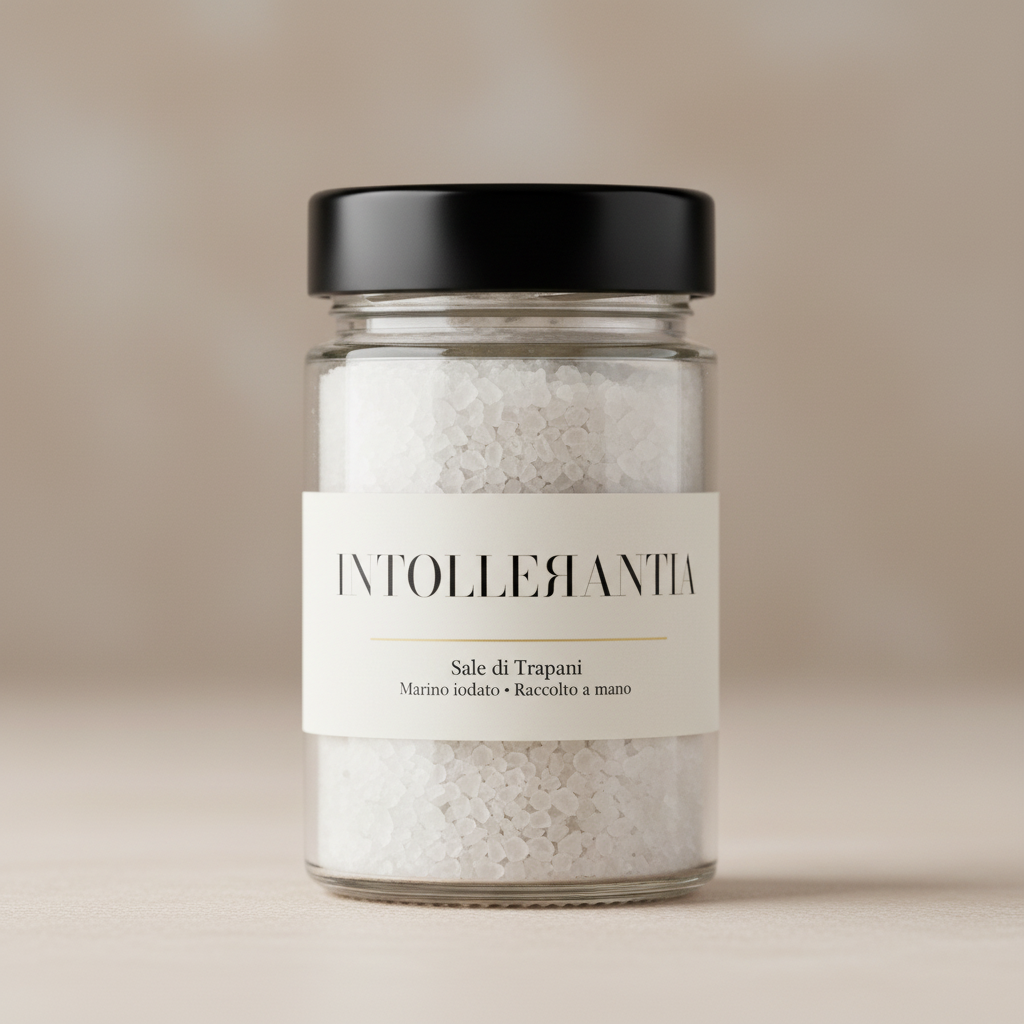
Coarse crystal. Iodine of the Mediterranean. Harvested from the northern vasche of the Trapani reserve, dried by wind alone, decanted into ivory-labelled glass.
We began in a small laboratory. A gluten-free kitchen for those who had been told to choose between health and pleasure. We refused the choice. We are still refusing it — only now, in a language wider than a kitchen.
MMXXVII marks the passage. From a discipline practised in silence for a decade, to a maison ready to publish. This is the announcement of what happens next.
For editorial features, distribution enquiries, and founding-edition allocation.
PRESS & MEDIA→Intollerantia was born as a gluten-free gastronomic laboratory — a place where people who could not eat what everyone else ate would find, on the contrary, more than what everyone else ate.
We were known, in those years, for a discipline: we did not accept every ingredient, we did not accept every partner, we did not accept every shortcut. Each collaboration was selected — as a curator selects a room, not as a merchant fills a shelf.
We learned that intolerance is not a condition. It is an ethical filter. And the same filter that saved a coeliac guest could save a whole category of Italian excellence: the one nobody was defending.
The next chapter is wider than a kitchen. Intollerantia becomes a maison — a house that publishes editions of what our land already knows how to do best, but has stopped naming with care.
Gluten-free kitchen. Selected collaborations. A discipline against the shortcut.
We understood that our real product was a criterion — not a recipe.
The kitchen closes as a laboratory and reopens as a maison. The passage is announced.
First commercial edition. Numbered. Published. Placed in the hands that were waiting.
To make known the selected products of our land — those that Italy has produced quietly, for centuries, without a maison willing to publish them properly.
One estate. One name. One responsibility. We do not build a catalogue. We compose an edition.
Every product is issued as an editor issues a rare book — numbered, signed, in a run that ends.
We name the field, the farmer, the November light, the exact vessel. Nothing is generic. Nothing is anonymous.
We refuse volume, we refuse gloss, we refuse the language of luxury. We prefer the language of place.
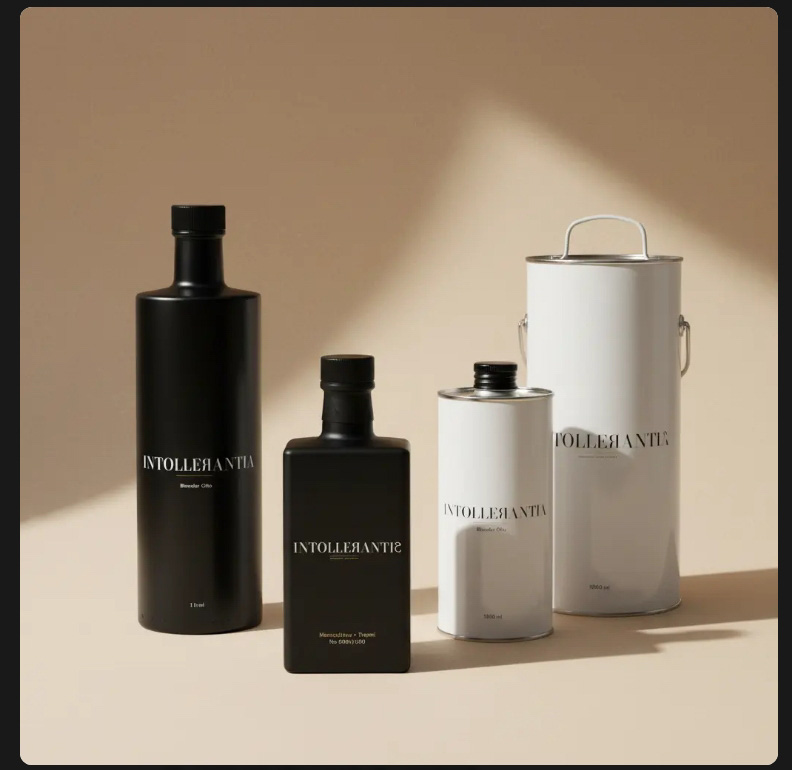
We are not a brand of many products. We are a maison of few, chosen, well-published editions of the Italian territory. Our first edition is olive oil from Western Sicily. The next editions — food, beauty, home — will follow when they are ready to be named.


Extra virgin olive oil, salt, honey. Western Sicily first.
The same olive, decanted for the skin. Under composition.

Objects that do not consume — they last. In study.
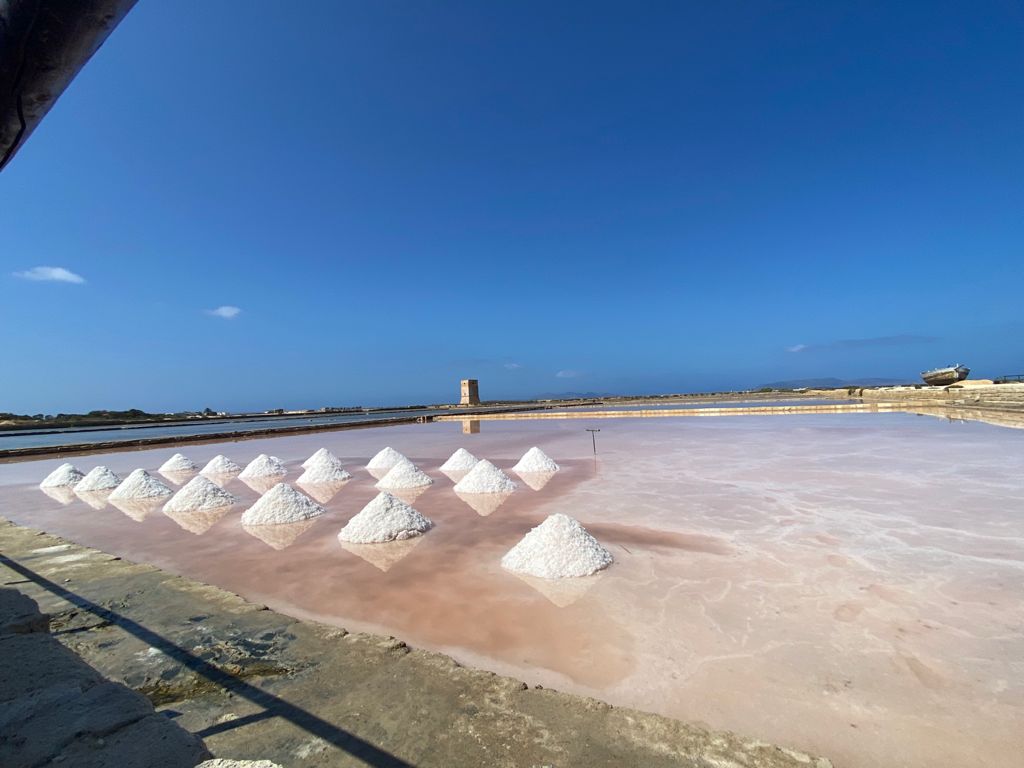
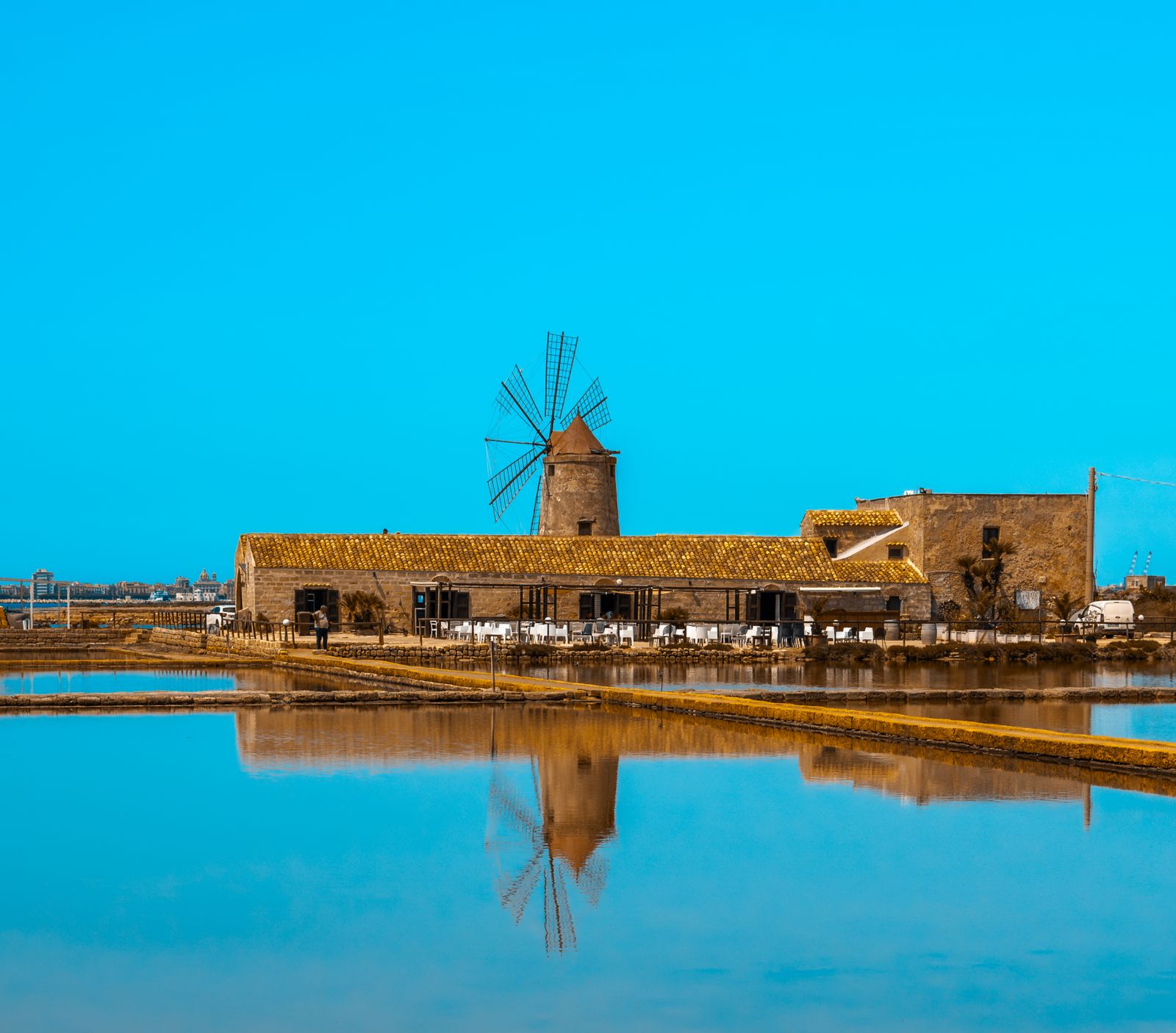
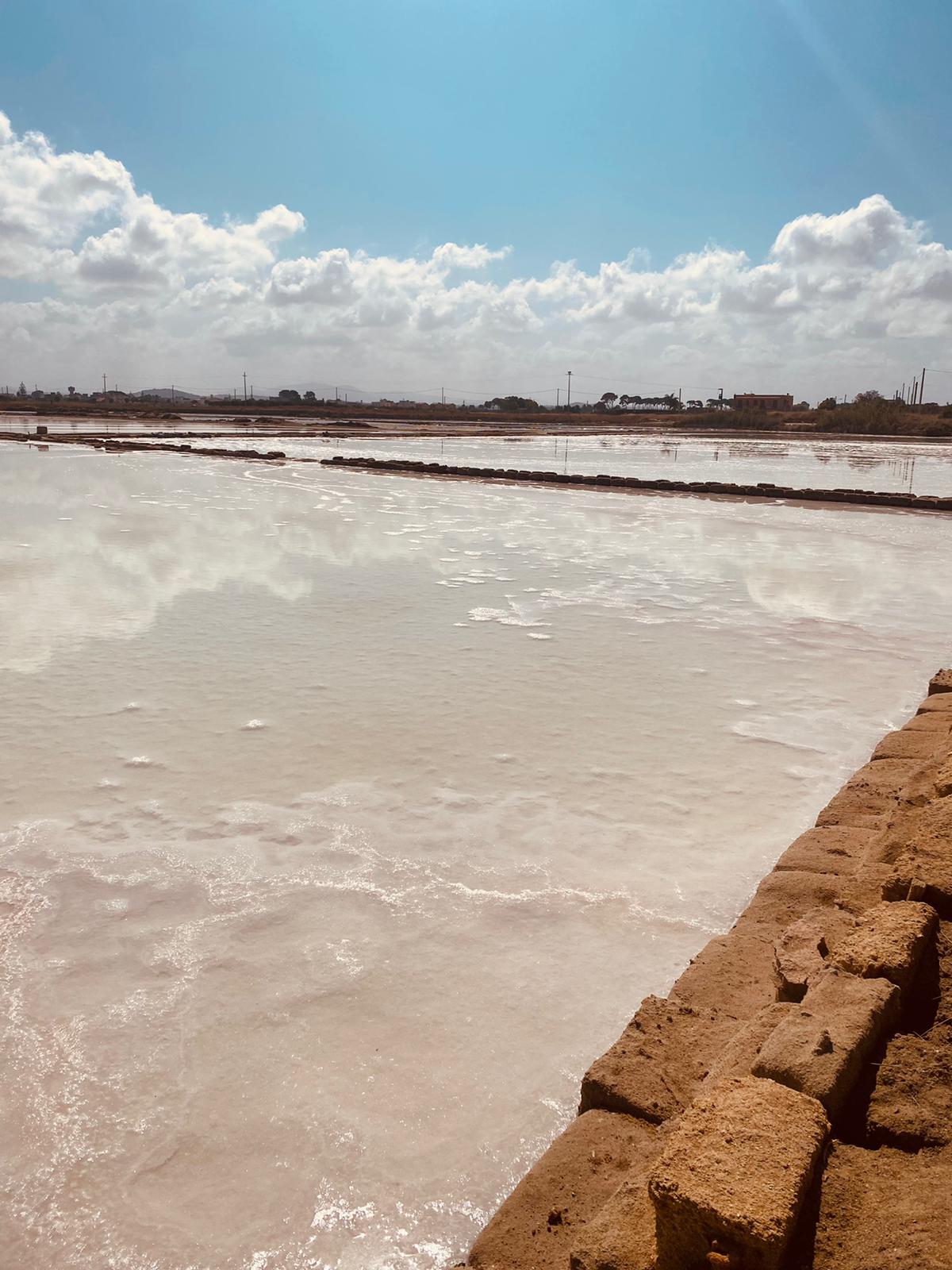
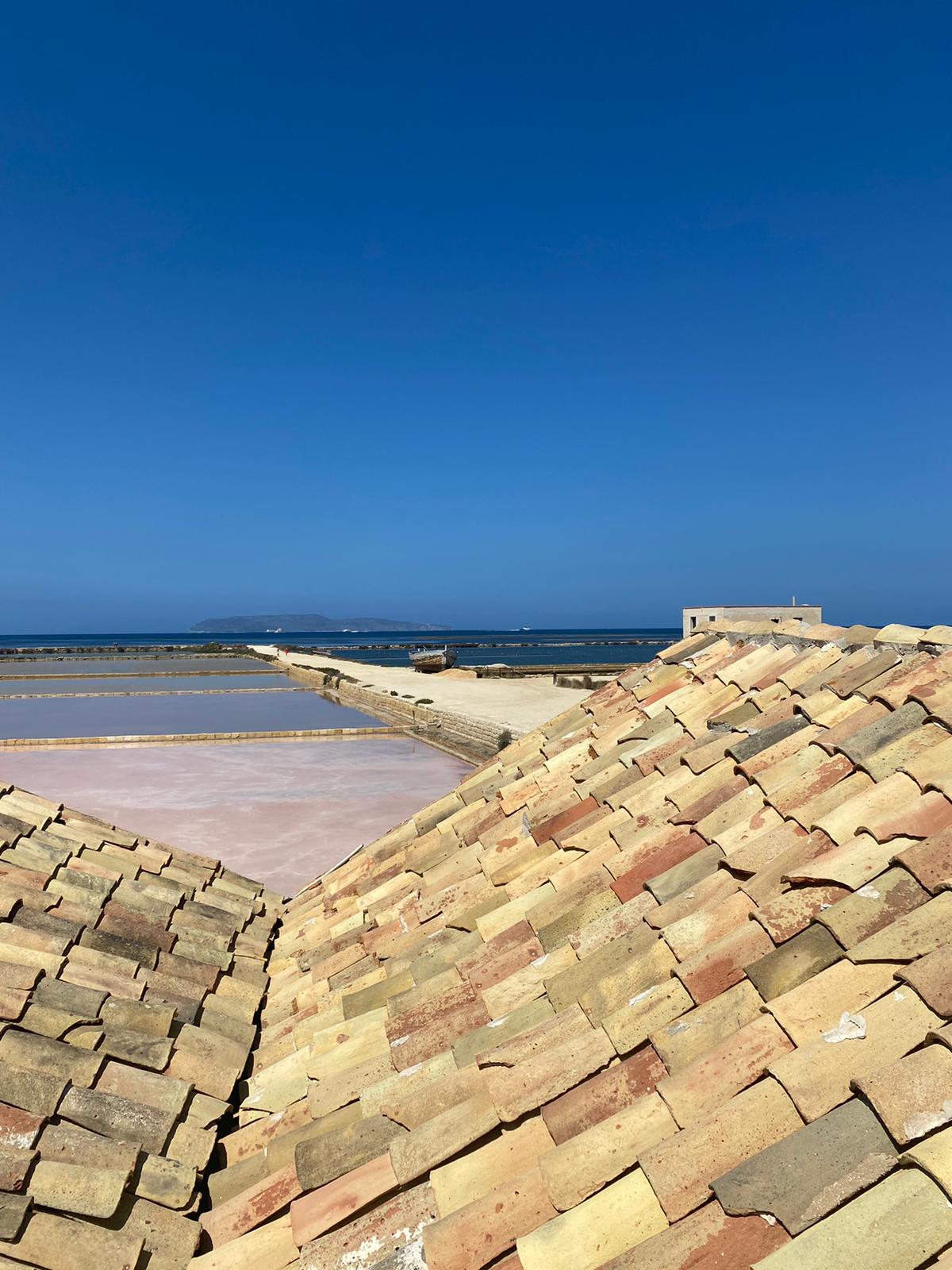
Between Trapani and Marsala, water becomes rose, then white. It is the oldest editorial act of this coast — the sea publishes itself, one crystal at a time, under a light that only appears here.

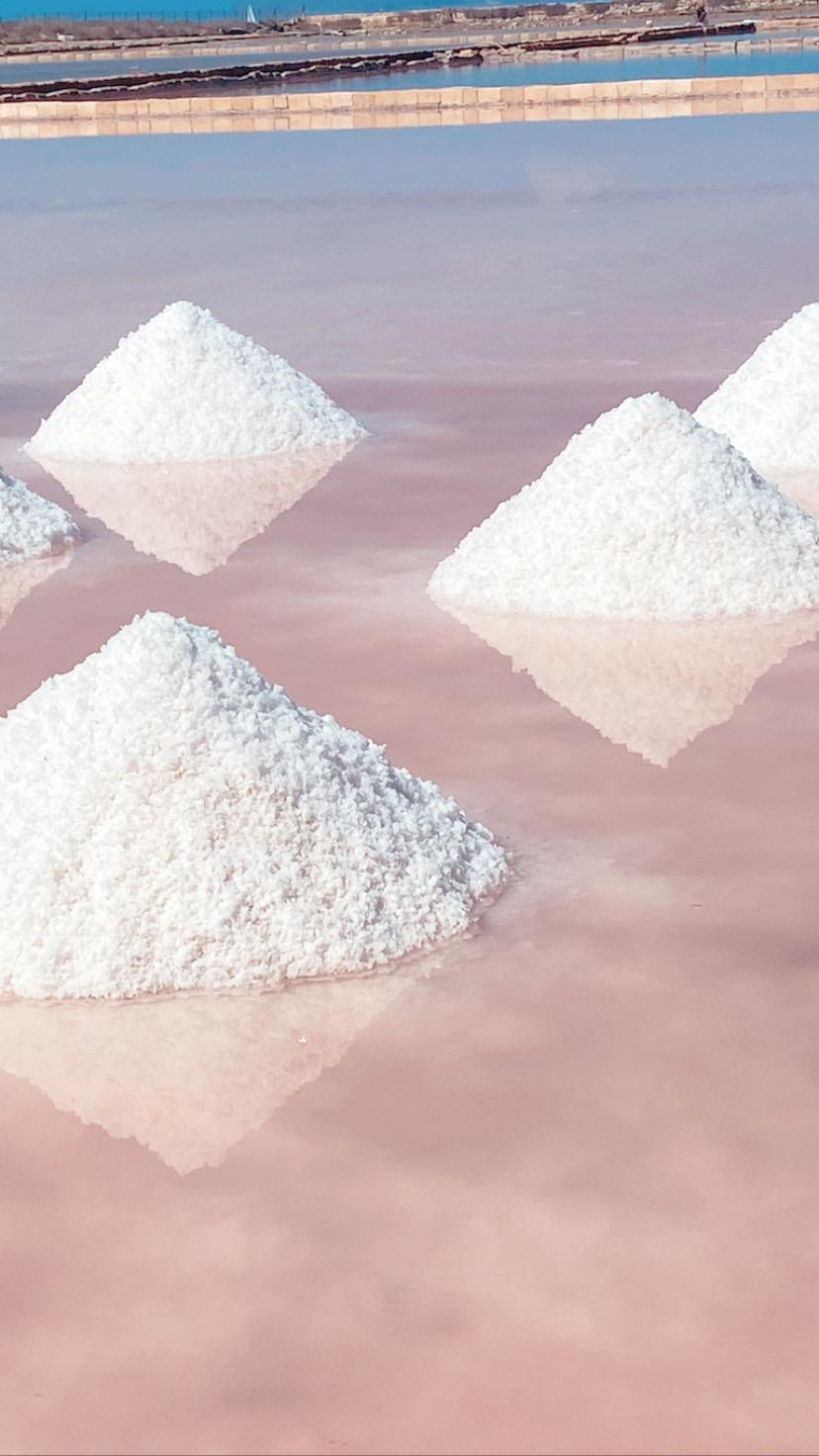
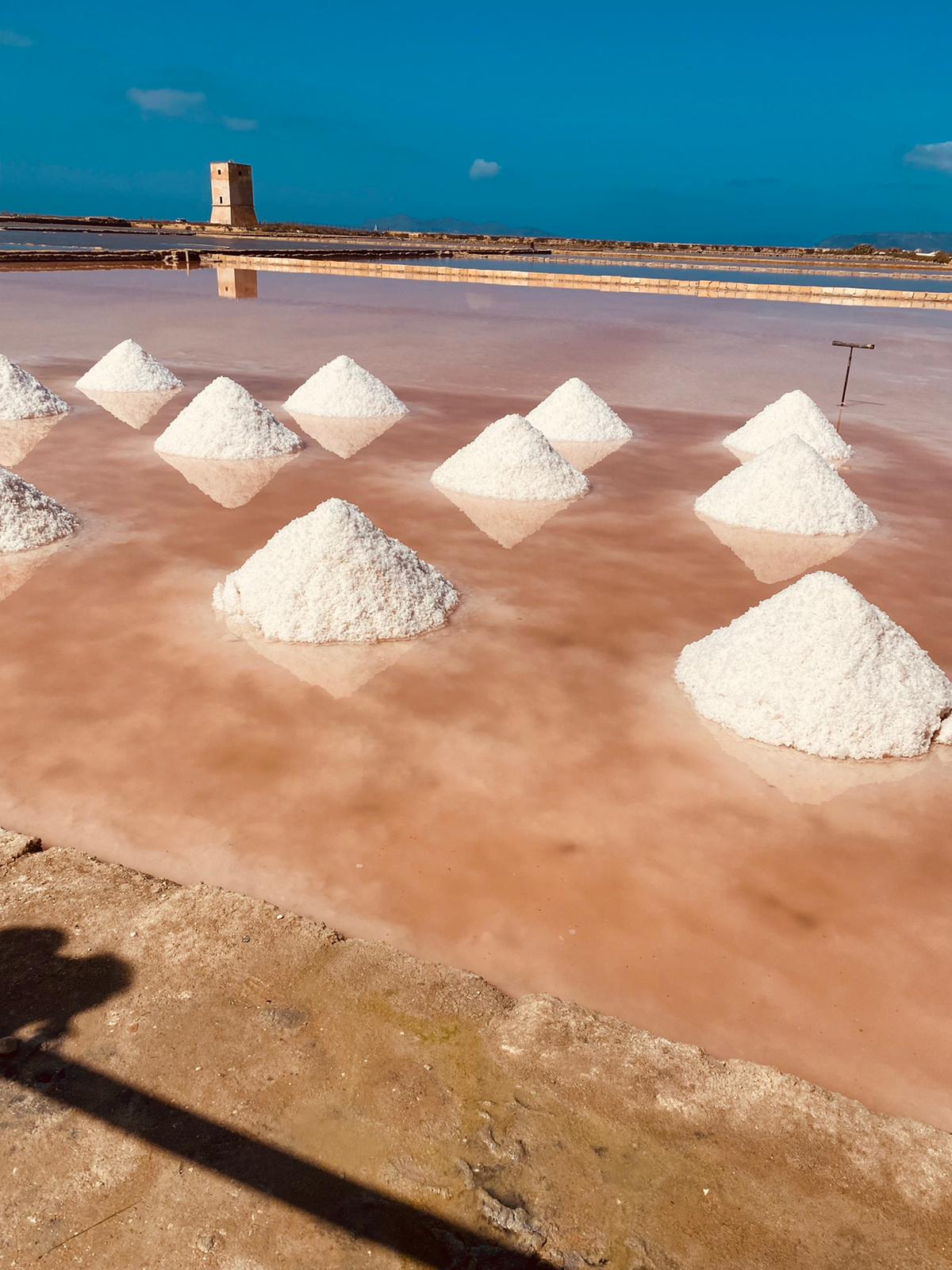
The salt of Trapani is harvested by hand from July to September, gathered into pyramids that reflect on the pink surface of the vasca.
The windmill towers — Torre di Nubia among them — do not decorate the horizon: they operate it. They lift the brine, they move the water, they still work.
We look here first when we choose an ingredient. If the salt of this place has been published for two thousand years without a name too loud, then everything we publish must be able to stand next to it.


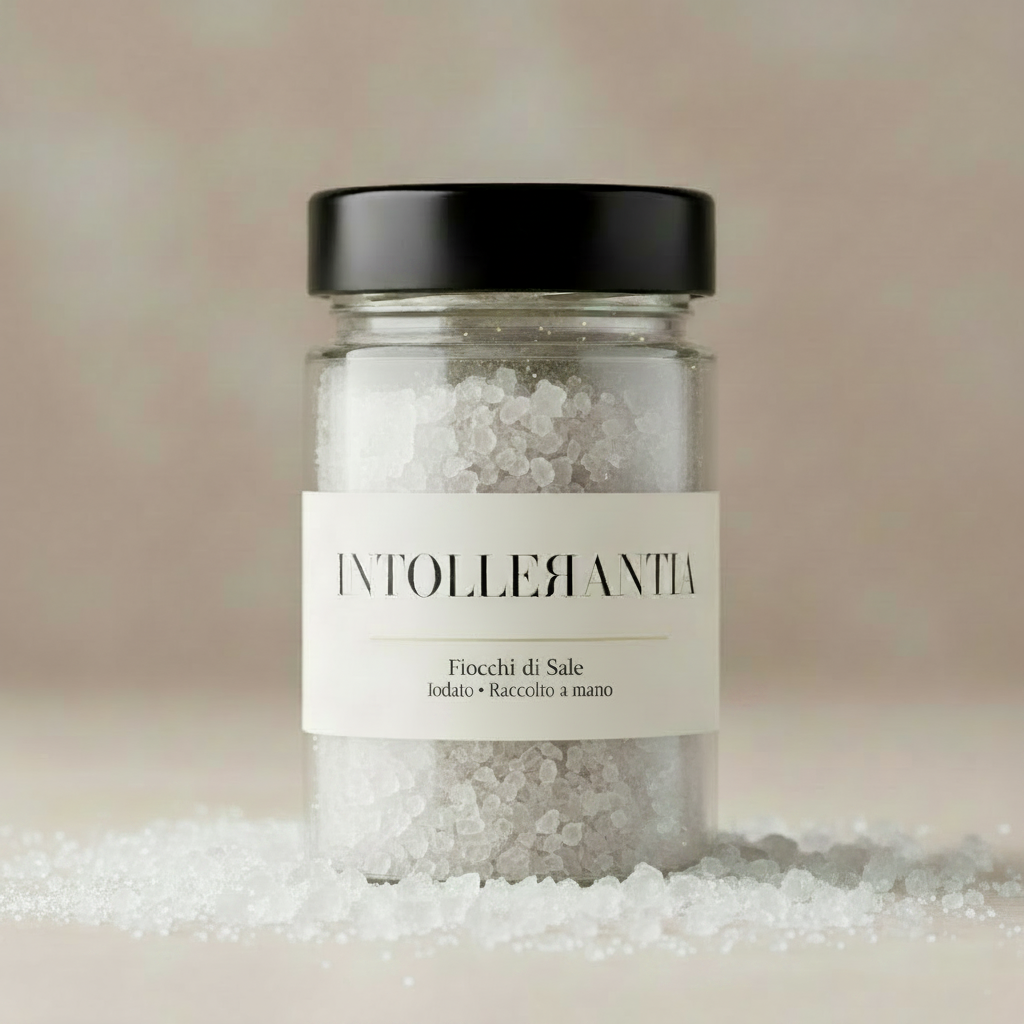
Two glass vessels. One salt. Two grains — the coarse for the plate that meets fire, the flake for the plate that meets air.

Coarse crystal. Iodine of the Mediterranean. Harvested from the northern vasche of the Trapani reserve, dried by wind alone, decanted into ivory-labelled glass.

The final crust of the vasca — the layer that forms only when the sun and the wind agree. Broken by hand into thin flakes. For the last gesture before the plate leaves the kitchen.
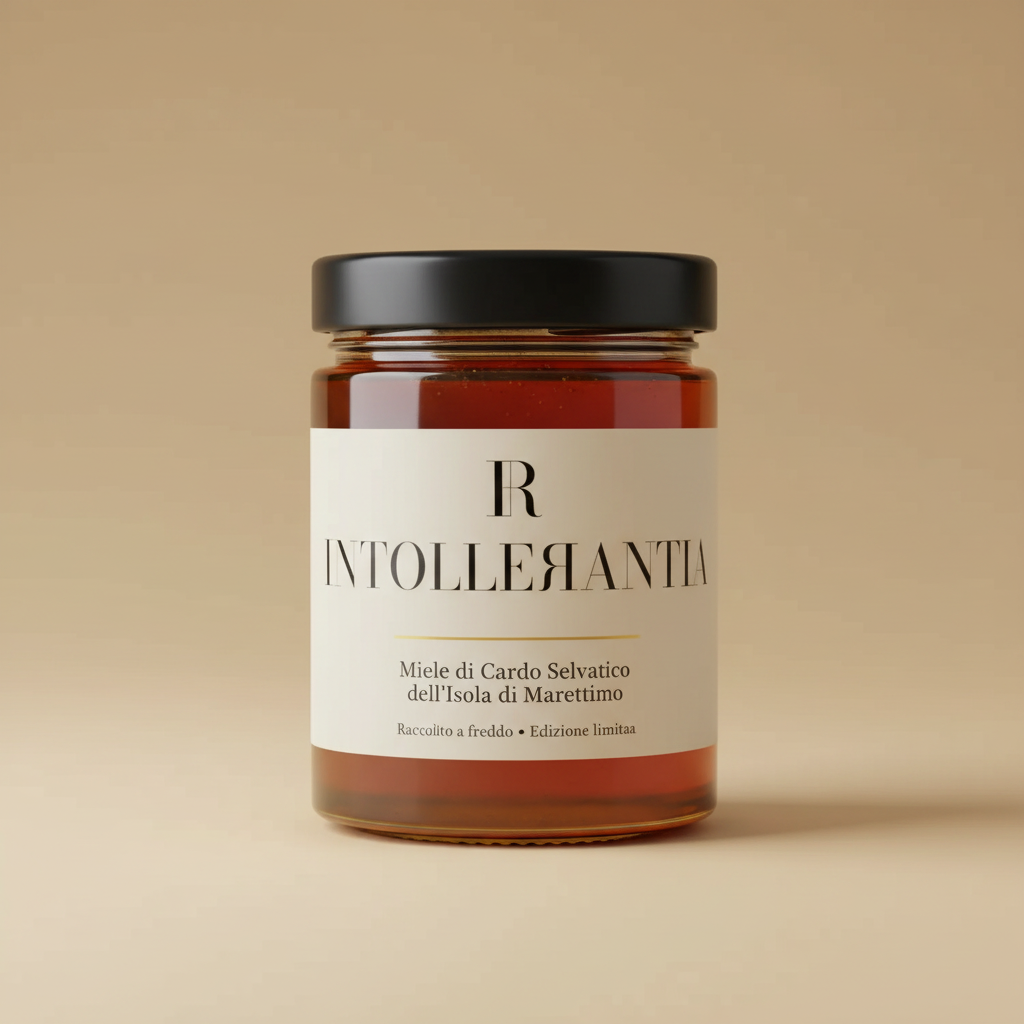
Wild thistle grows where no one plants it. On the ridges of Marettimo — a stone in the sea, three hours from Trapani by boat — bees find purple heads of cardo in a wind that never stops. This is the honey we chose.
The comb is opened cold. No heating, no filtering with cloth or heat. The honey descends by gravity into the glass — slower than a season, but with everything the flower said still audible.
Amber, dense, with the salt of the island in the mouth. Bitter for a second, sweet for the rest. It behaves on the palate the way Marettimo behaves on the horizon: it holds.
Limited edition. Numbered by hand. Never repeated once the wind changes.


Trapani. Marettimo. The salt pans, the November wind, the sea that has never been generic. From this angle we look at Italy — and we choose.
We did not start Intollerantia to sell more.
We started it because a table without care is a small betrayal, repeated three times a day.
We continue it because Italy has more to give than what its shelves are willing to publish.
We do not run campaigns. We publish once, at each edition. Follow to receive the first line — before the shelf, before the press.
We write once, at each edition. No promotions, no discounts. Only the announcement of what has been chosen, and why.